The Wastra Atlas
A cloth for every island.
Across a thousand islands, Indonesia speaks in cloth. This atlas reads two ways: first the story of batik through time, then the woven textiles of each island, each region keeping its own language of thread, dye, and motif. These are the heritage cloths Ellylle works with.
The Story of Batik
Woven in time.
Long before it was fashion, batik was a language. With the canting, a small copper spout that trails hot wax, artisans draw the patterns that resist the dye, building colour and meaning layer by layer. The story below runs from the royal courts to the trading coast to the present day. These traditions overlap and still live side by side; this is the order in which they emerged, not one replacing the last.
The Courts
Batik was born a court art. In the keraton of Mataram Java, noblewomen worked earth-toned sogan and deep indigo into sacred geometry. Some motifs were so revered they became larangan, forbidden to all but royalty. When the kingdom was divided in 1755, its cloths passed to the palaces of Yogyakarta and Surakarta, who guard these patterns still.
Read the full story
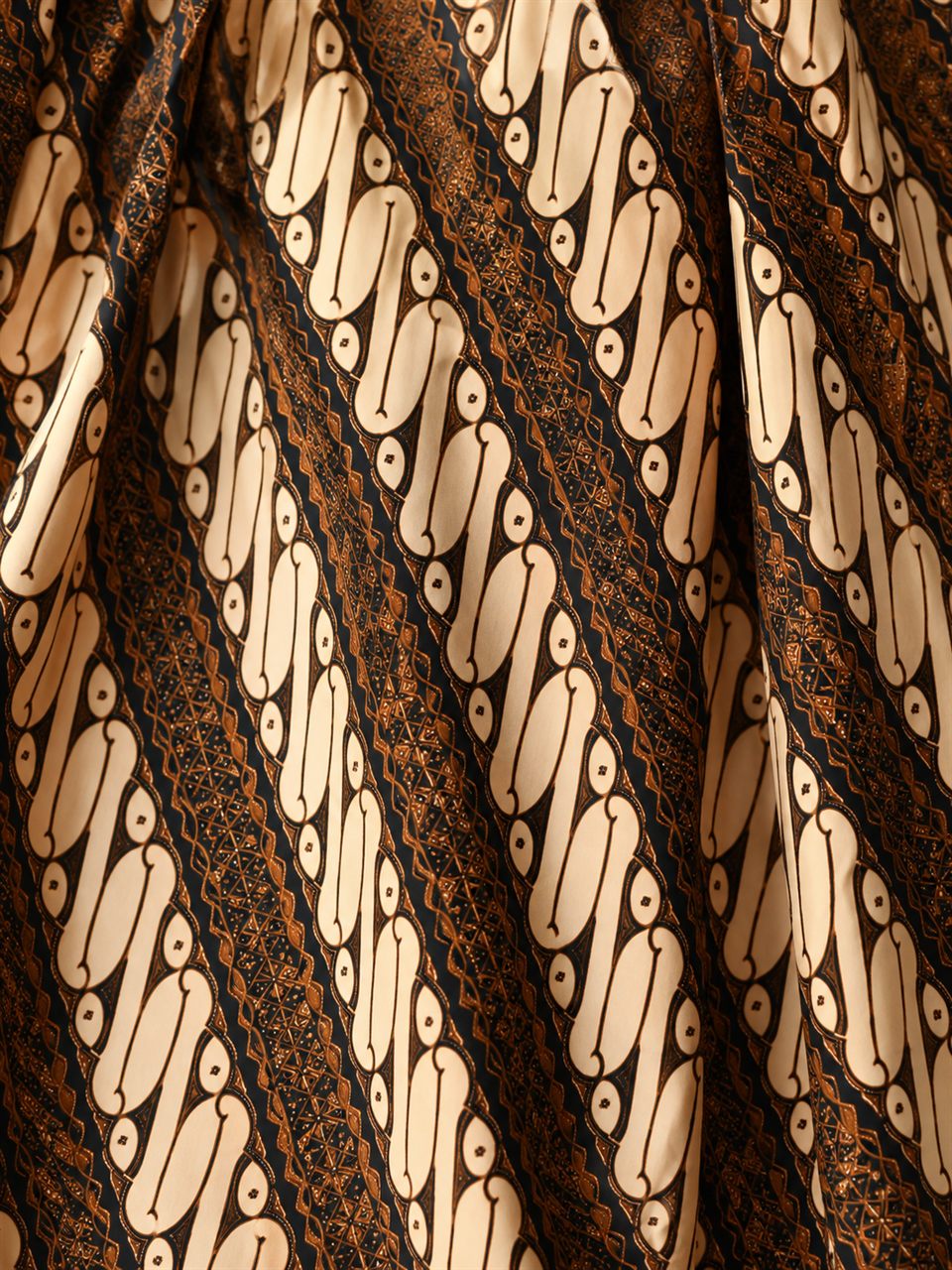
Originating from the royal courts of the Mataram Kingdom, Parang Batik is among Indonesia's oldest and most revered batik traditions. Following the division of the kingdom, the motif was inherited and preserved by the Yogyakarta Sultanate and the Surakarta Sunanate, where it became a symbol of royal authority and noble character. Its flowing diagonal pattern, inspired by ocean waves and mountain slopes, embodies resilience, wisdom, and the continuity of life, preserving centuries of Javanese philosophy and courtly heritage.

Read the full story
Inspired by the fragrant white champaca blossom, Kembang Kantil Batik embodies one of Java's most enduring philosophies: love, remembrance, and devotion that remain steadfast through time. Executed entirely by hand, its graceful floral motifs express the principle of kanthi laku, that wisdom is achieved through perseverance and sincere action. More than an ornamental textile, it is a poetic reflection of the spiritual values woven into Javanese life.
The Trade Winds
Then the story moved to the coast. In the harbour towns of Java's north shore, batik met the world, as Chinese, Arab, Indian and European traders each left their mark. The disciplined browns of the court gave way to open colour: Lasem's chicken-blood crimson, the seven-skied clouds of Cirebon, the fearless geometry of Madura.
Read the full story
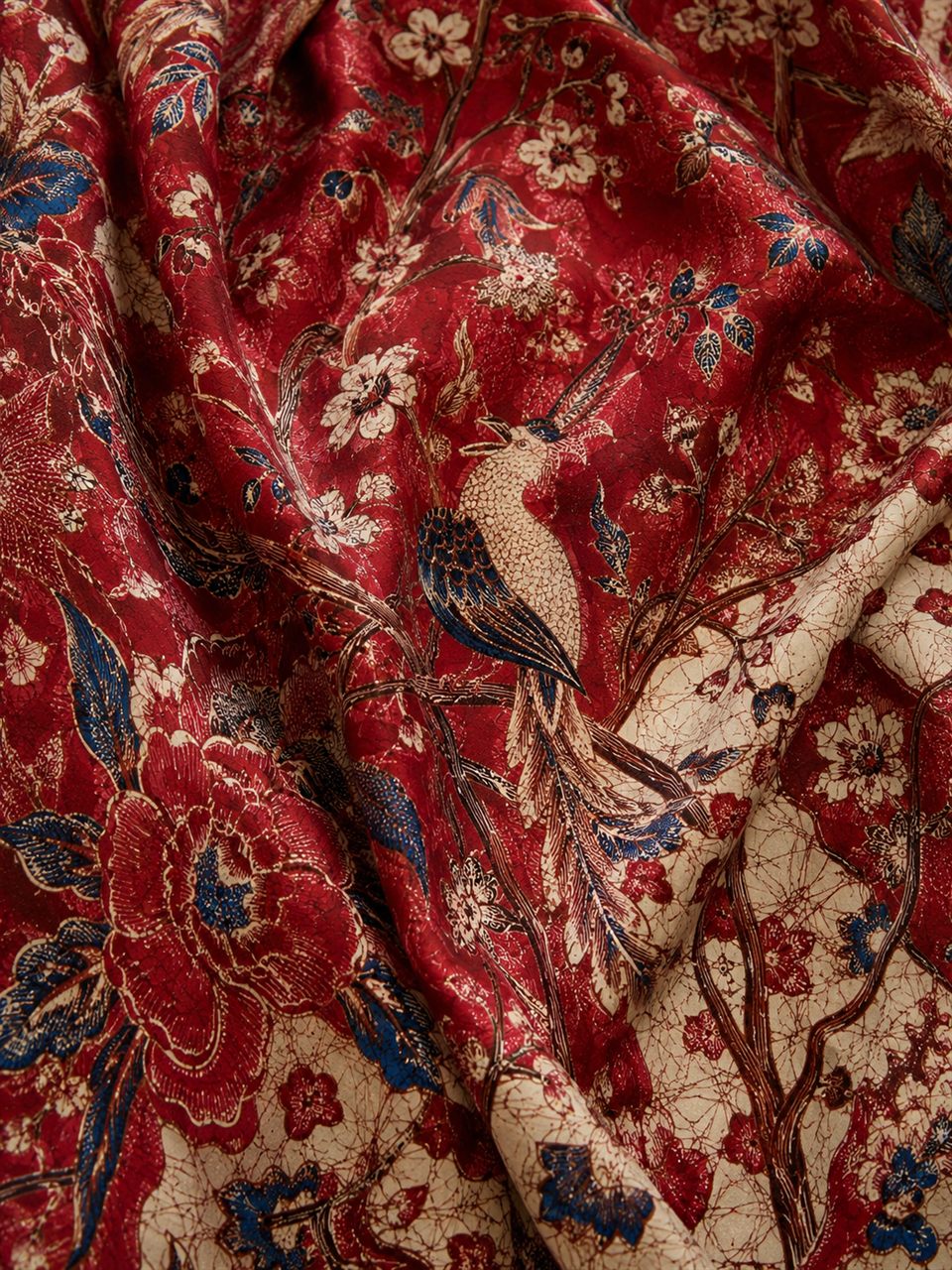
Batik Tulis Lasem traces its origins to the historic port town of Lasem on the northern coast of Central Java, where centuries of maritime trade fostered a rich cultural exchange between Javanese and Chinese communities. This enduring encounter shaped a distinctive batik tradition, recognised for its refined hand-drawn craftsmanship, symbolic motifs, and the iconic Abang Getih Pithik, a deep crimson red that has become the hallmark of Lasem batik. More than a textile, it stands as a living record of cultural harmony, preserving generations of artistry and shared heritage through every hand-crafted piece.
Read the full story
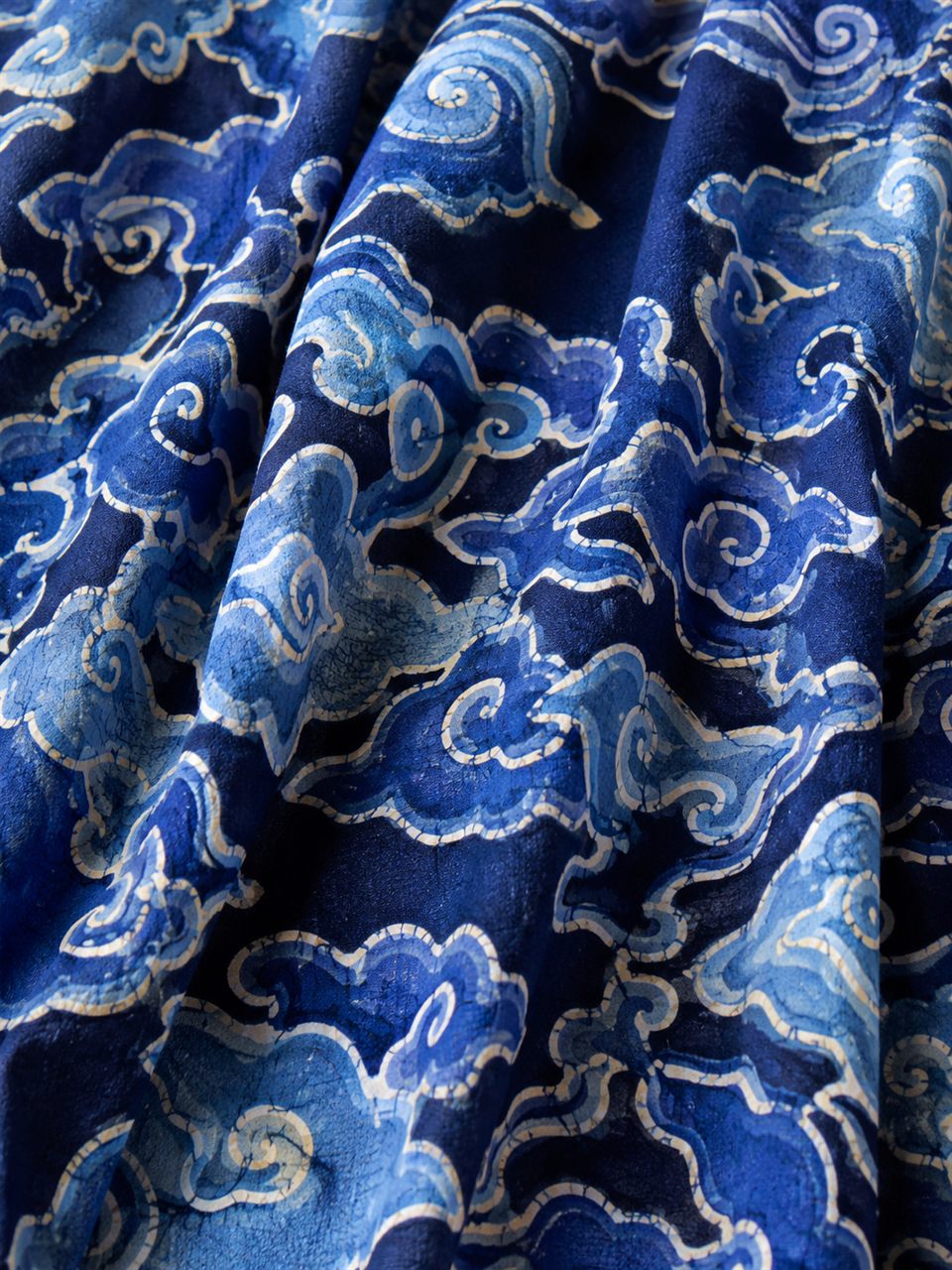
Megamendung Batik originates from Cirebon, West Java, and is distinguished by its iconic cloud motifs. Influenced by centuries of cultural exchange, the design symbolises patience, serenity, and wisdom, making it one of Indonesia's most celebrated batik traditions and a remarkable expression of cultural harmony.

Read the full story
Cirebon hand-drawn batik is renowned for its vibrant coastal palette and motifs shaped by centuries of cultural exchange along Java's northern shoreline. Often worn as the upper garment of an ensemble that pairs it with Madura's Tesate batik, it carries the bright, open character of Java's north-coast tradition, one of the country's most distinguished batik lineages.

Read the full story
Crafted from Madura hand-drawn batik in the Tesate motif, this cloth is celebrated for its bold geometric composition and expressive colours, symbolising resilience, harmony, and the enduring artistry of Madurese batik craftsmanship. Paired with Cirebon batik, it completes an ensemble that unites two of Java's distinguished batik traditions.
The Copper Stamp
By the turn of the twentieth century, a copper stamp called the cap could print in an afternoon what a canting took months to draw. In the workshops of Pekalongan, Indo-European and Peranakan Chinese makers paired it with bright new dyes, bouquets of imported flowers, and finishes gilded in gold. Batik had become an industry, and never lost its art.

Read the full story
Renowned for its vibrant coastal aesthetic, Pekalongan Batik reflects centuries of artistic exchange and innovation. This textile combines the precision of batik cap, hand-applied colet colouring in traditional sogan hues, and a radiant prada finish. Adorned with flourishing floral and butterfly motifs, it embodies prosperity, beauty, and the dynamic spirit of Indonesia's coastal batik tradition.

Read the full story
Inspired by the rich coastal batik tradition of Pekalongan, this hand-drawn textile features graceful crane motifs set against flowing cloud-like patterns. In Asian symbolism the crane represents longevity, fidelity, wisdom, and prosperity, while the surrounding motifs evoke serenity and harmony. Reflecting centuries of cultural exchange along Java's northern coast, it embodies the refined artistry and vibrant character of Indonesia's coastal batik heritage.
A living thread
On 2 October 2009, UNESCO named Indonesian batik a treasure of humanity, and Indonesians have kept the date as their own ever since. The thread that began in the courts runs unbroken to now, and into every piece Ellylle makes.
See the CollectionBeyond Batik
The Woven Islands
Batik is drawn in wax and dyed; these cloths are woven, thread by thread. From the gold-threaded looms of Sumatra to the ikat of Nusa Tenggara, each island keeps its own language of pattern. Not batik, but part of the same heritage Ellylle draws from.
Read the full story
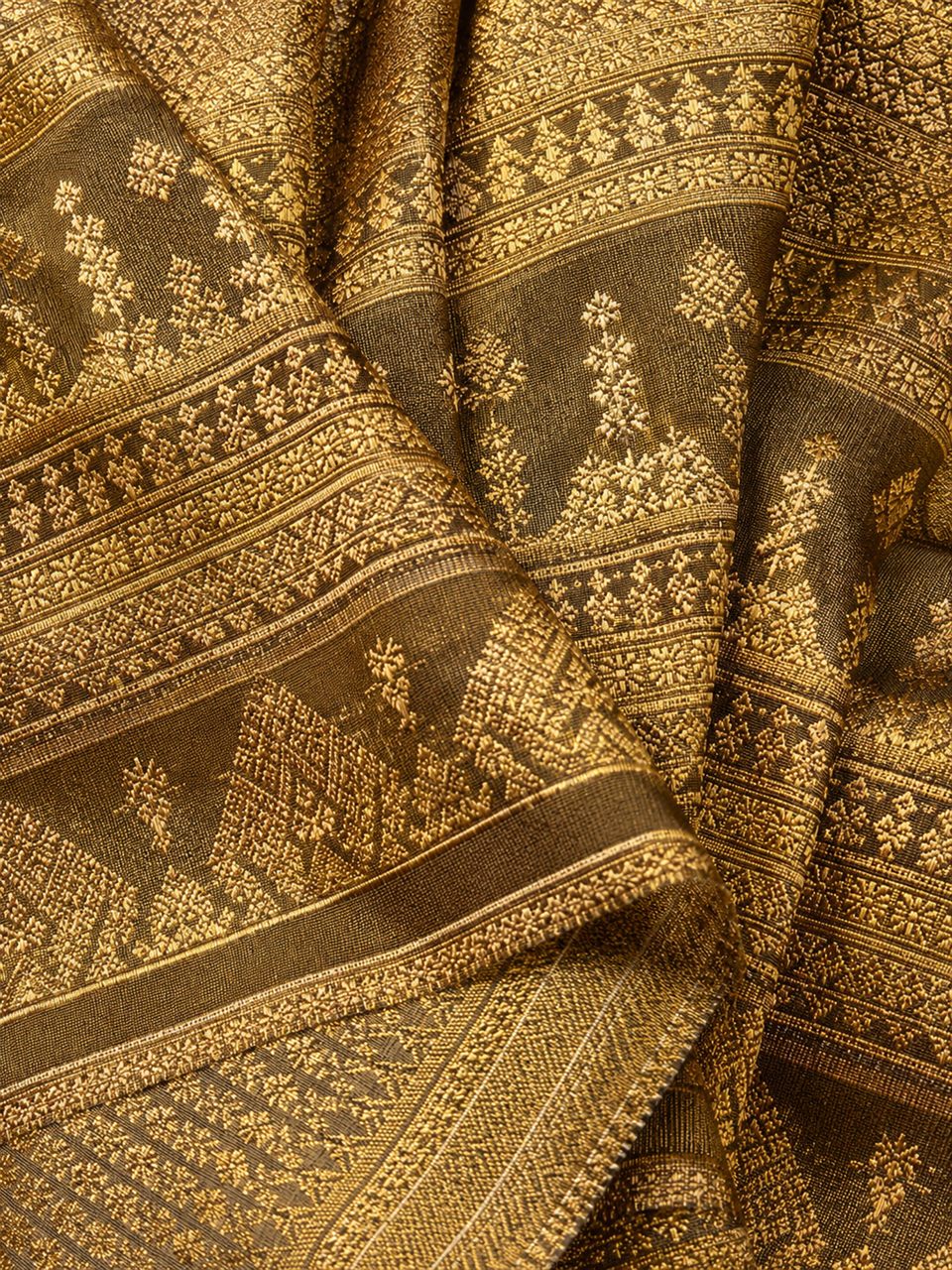
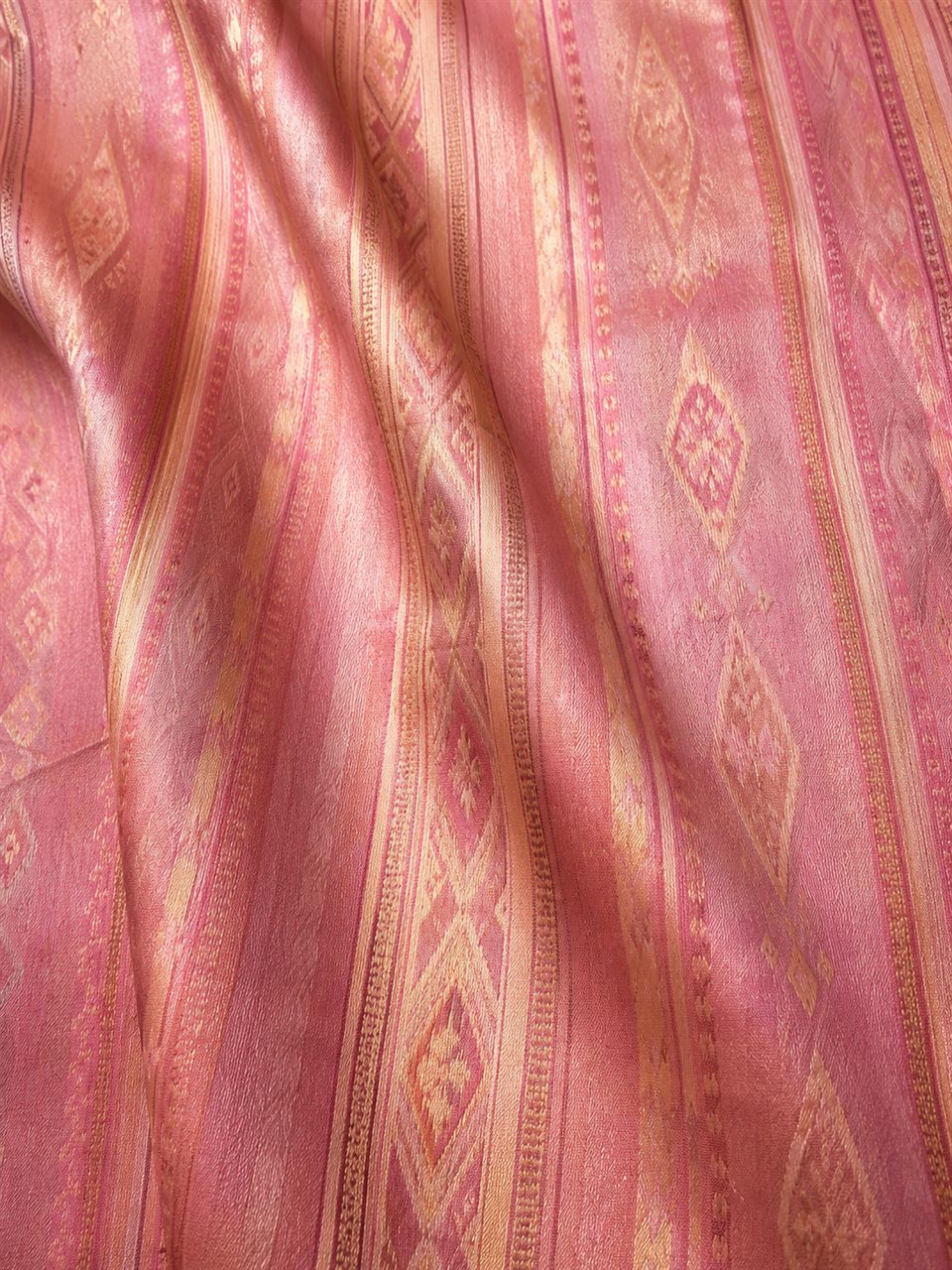
Lampung Tapis is one of Indonesia's most distinguished ceremonial textiles, created by combining handwoven cotton with intricate embroidery of gold and silver threads. Developed over centuries within the Lampung community, it serves as a symbol of identity, social prestige, and spiritual blessings. Its richly embroidered motifs, the Tree of Life, flora, fauna, and geometric forms, reflect the harmony between nature, tradition, and the enduring artistry of Lampung's women artisans.
Read the full story
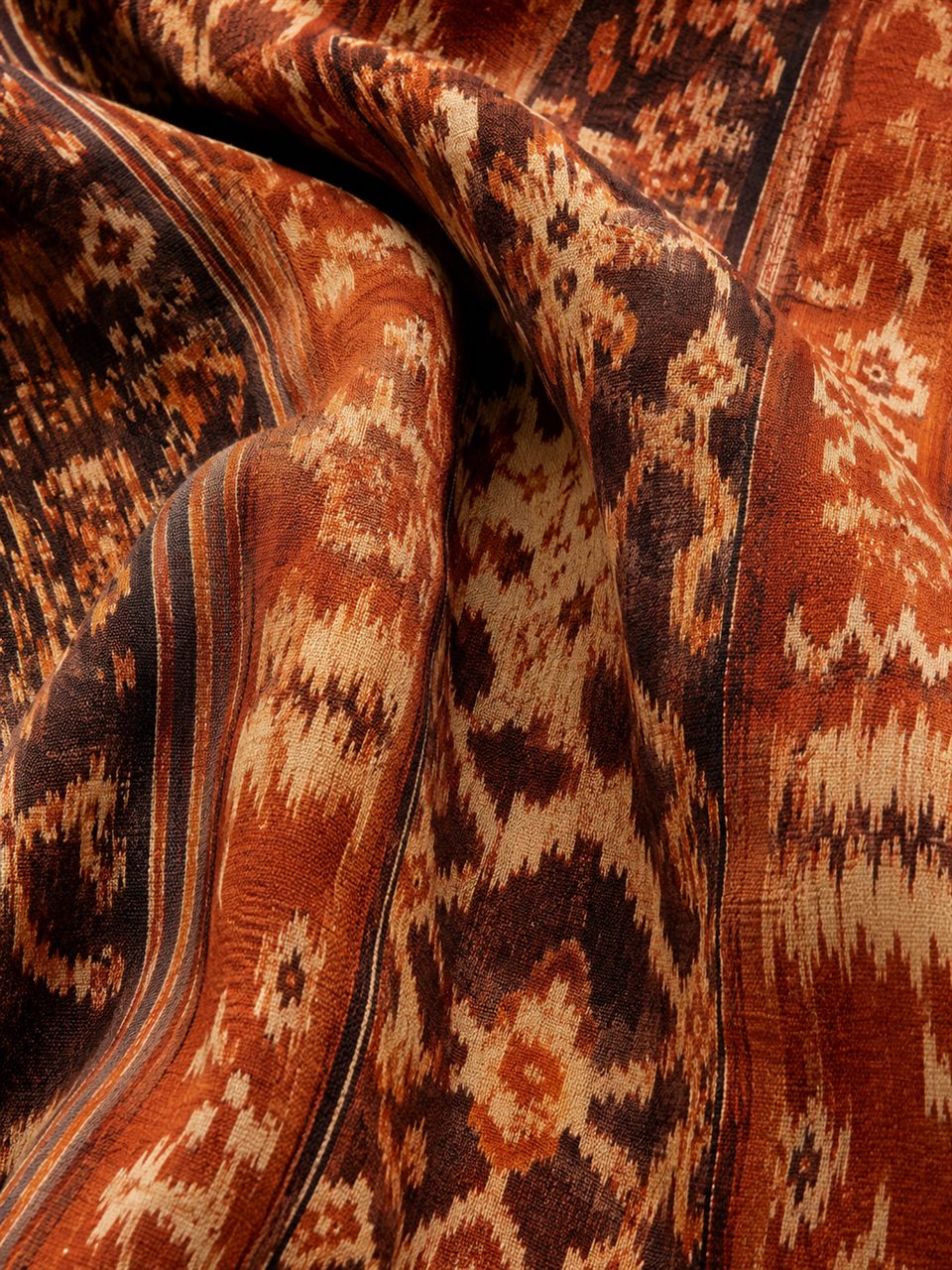
Lagosi Silk Weaving originates from the Bugis community of Sengkang, Wajo Regency, South Sulawesi. Renowned for its exceptional softness and natural lustre, this handwoven silk is distinguished by its elegant Bunga Lagosi floral motifs, symbolising beauty, grace, and the refinement of Bugis women. Traditionally worn during ceremonial occasions and formal events, it remains a timeless expression of Bugis cultural heritage and masterful craftsmanship.
Read the full story
Sumba Ikat is one of Indonesia's most revered handwoven textiles, celebrated for its intricate craftsmanship and profound spiritual significance. Created using the traditional ikat technique with natural dyes derived from indigenous plants, each textile can take months, even years, to complete. Its symbolic motifs reflect ancestral beliefs, nature, and social identity, making Sumba Ikat not only a ceremonial textile but a living expression of the island's cultural heritage.

Read the full story
Originating from Rote Island in East Nusa Tenggara, Rote Ikat is a handwoven textile created through the traditional ikat technique, where threads are carefully tied, dyed, and woven into intricate geometric compositions. Its motifs embody harmony, continuity, and the enduring relationship between people, nature, and ancestral wisdom. More than a textile, it is a living cultural heritage that preserves generations of craftsmanship and identity.

Read the full story
Ayu Topas is a traditional handwoven textile from East Nusa Tenggara, crafted on backstrap looms by skilled weavers. Its pink hue, drawn from natural dyes, symbolises femininity, warmth, and life, while its signature bird motifs represent freedom, protection, and spiritual connection, an enduring expression of local wisdom and cultural identity passed down through generations.

Read the full story
Buna Nunkolo is a traditional handwoven textile from Nunkolo, South Central Timor, East Nusa Tenggara. Although often associated with ikat, Buna is distinguished by its supplementary weft technique, in which colourful additional threads are meticulously inserted by hand to create richly textured motifs. Marked by bold colours and intricate craftsmanship, each cloth reflects generations of indigenous knowledge, preserving the cultural identity and artistic heritage of the Timorese people.

Read the full story
Buna Kerawang is a traditional handwoven textile from Insana, North Central Timor, East Nusa Tenggara. Distinguished by its intricate supplementary weft technique, each motif is created by inserting individual coloured threads by hand, producing richly textured geometric, floral, and symbolic patterns that resemble fine embroidery. Taking up to three months to complete, it embodies social status, communal solidarity, loyalty, and the enduring wisdom of the Timorese weaving tradition.

Read the full story
Maumere Ikat is a traditional handwoven textile from the Sikka region of Flores, East Nusa Tenggara. Crafted using the ikat technique and dyed with natural pigments from indigenous plants, each cloth features geometric interpretations of floral and fauna motifs that embody harmony, protection, and ancestral wisdom. Woven entirely by hand, it reflects the enduring artistry and cultural identity of the Sikka people.

Read the full story
Sikka Ikat is a traditional handwoven textile from Flores, East Nusa Tenggara, renowned for its refined craftsmanship and rich cultural symbolism. Woven with the intricate warp ikat technique and naturally dyed with indigenous plants, each piece is distinguished by its rhythmic linear compositions, where vertical and horizontal bands frame finely detailed geometric floral and fauna motifs. Woven entirely by hand, it embodies the Sikka people's enduring relationship with nature, ancestral wisdom, and cultural identity, and is worn during life-cycle ceremonies.